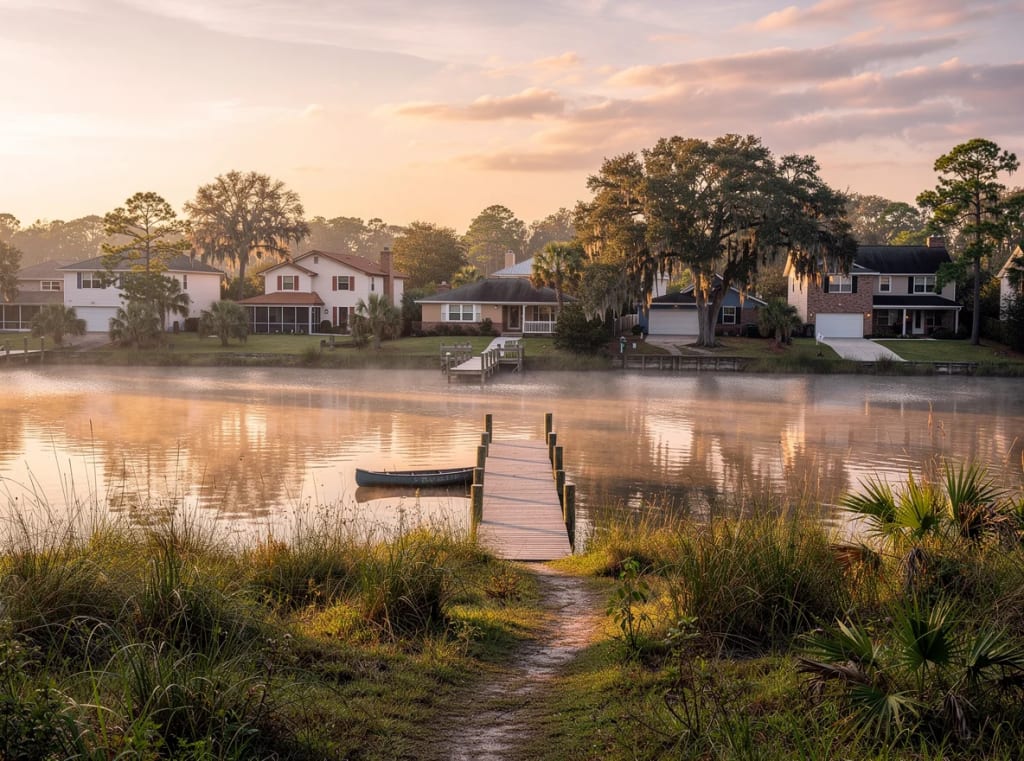
7 Jacksonville Neighborhood Picks for First-Time Buyers Who Want Short Commutes
Buying your first home is exciting—right up until you start doing commute math in your head. In Jacksonville, Florida, USA, that math can work in your favor if you choose a neighborhood that keeps you close to major job hubs, easy highway access, and the everyday places you'll actually use. The good news: you don't have to sacrifice character, parks, or weekend fun just to shave minutes off your drive. Below are seven first-time-buyer-friendly areas to consider when a shorter commute is part of your "must-have" list.
1) Riverside / Avondale: Historic charm with practical access
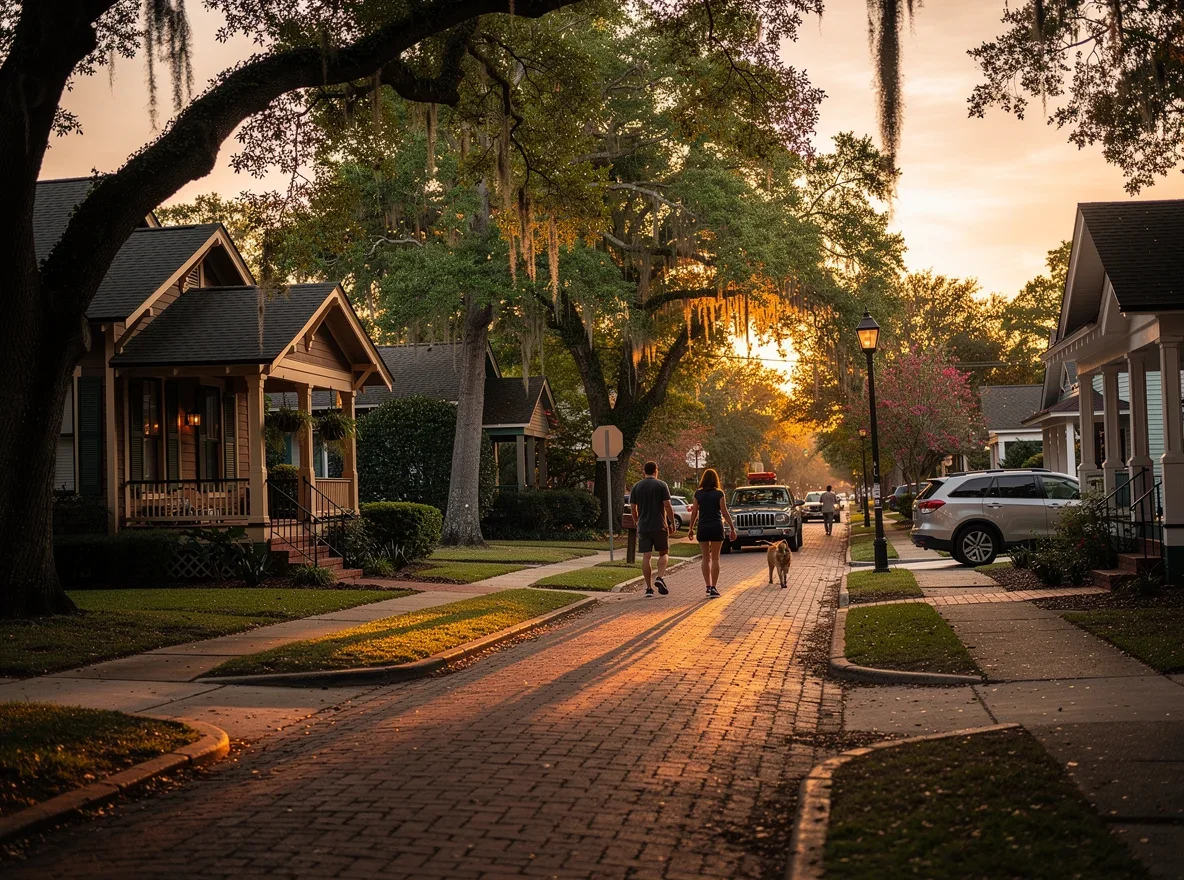
If you want a neighborhood that feels established and walkable (by Jacksonville standards) while staying close to Downtown, Riverside and Avondale are perennial favorites. Streets lined with mature oaks, older homes with details you don't see in new construction, and a strong "community" vibe make this area feel like a place you can grow into. Commutes to Downtown and nearby medical and office corridors are often straightforward via surface streets or quick hops to I-95.
For first-time buyers, the opportunity here can be in smaller bungalows, condos, or townhomes that keep maintenance manageable. The trade-off is that inventory can move quickly and older homes may require inspections that look closely at roofs, plumbing, and electrical updates. When it works, though, you get neighborhood personality plus proximity to parks and the St. Johns River—ideal for weekday resets after work.
2) San Marco: Close-in living with a polished feel
Across the river from Downtown, San Marco offers a blend of classic Florida architecture and a more curated, boutique atmosphere. The appeal for commuters is simple: you're close to central Jacksonville employment centers, and the route options often include bridges and direct connectors that keep drive times predictable. The neighborhood also tends to attract buyers who like being near riverfront views, community events, and a strong sense of place.
First-time buyers often explore condos or smaller homes on the edges of the area to stay within budget. If school planning is part of your decision, it's smart to look at zoning carefully and consider how future needs might change. Even if you don't have kids now, resale value is often influenced by school assignments and perceived convenience.
3) Southside (Baymeadows / Gate Parkway): Commute convenience meets everyday practicality
When someone says "I just want to get to work without drama," Southside is frequently the answer. This broad area places you near major corridors like I-95 and J. Turner Butler Boulevard (JTB), making it easier to reach Downtown, the beaches, and business parks without crossing the whole city. Many first-time buyers like the mix of apartments, starter homes, and townhome communities—often with amenities such as pools, fitness rooms, and easy parking.
Southside living is also about errands being painless. Grocery options, healthcare, and services are plentiful, and the area's growth means you'll see a range of housing ages and styles. The key is matching your commute pattern to the right pocket—being "Southside" can mean different drive times depending on how close you are to the interchange you'll use most.
4) Mandarin: A calmer, residential feel with access to I-295
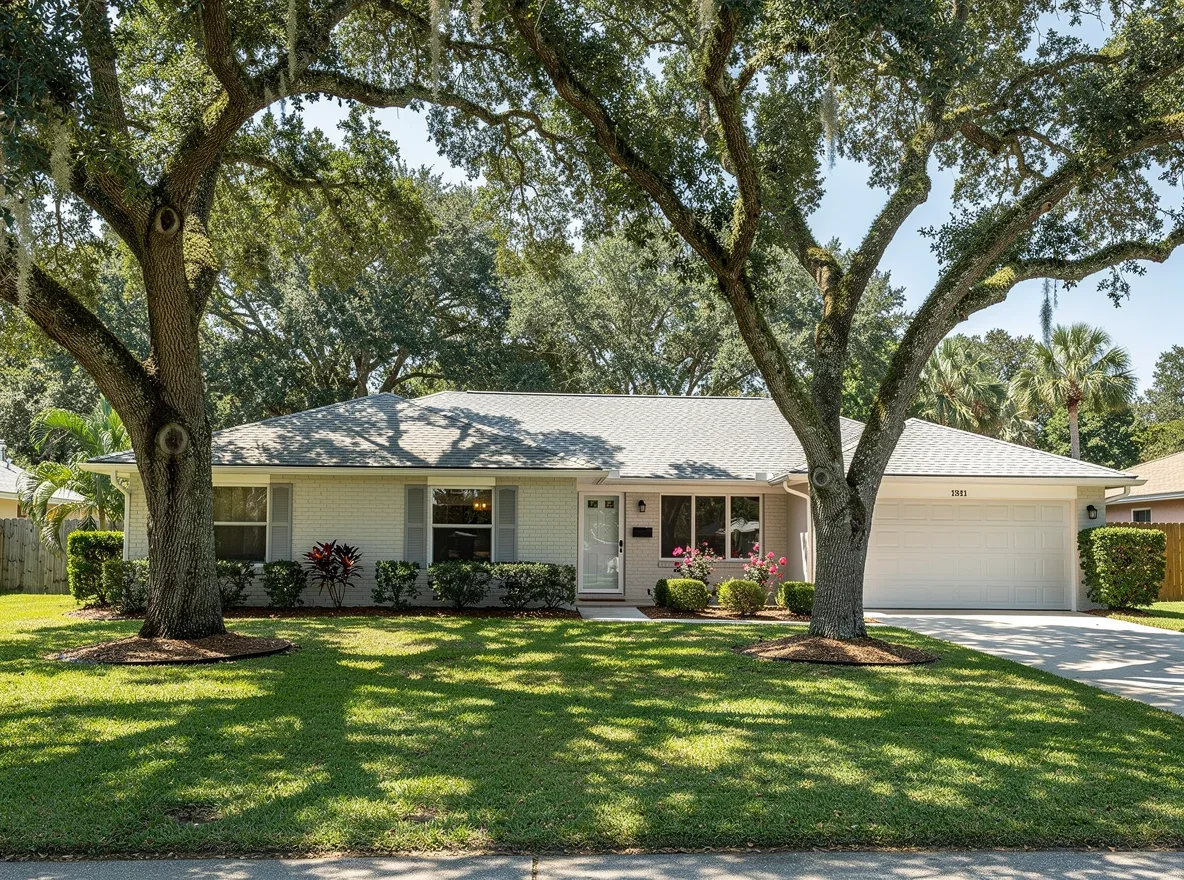
Mandarin is often described as a little more relaxed—more space, more trees, and a suburban rhythm that can feel like a breather after a busy workday. Commutes can be efficient if you're positioned near I-295 or key north-south routes, and many buyers appreciate that you can get a yard without immediately jumping into luxury pricing.
Because Mandarin includes a mix of established neighborhoods and newer communities, first-time buyers should compare homeowners association rules, insurance considerations, and potential renovation costs. In Florida, it's also wise to ask about flood zones and drainage history, even in areas that "feel" far from the river. Done right, Mandarin can offer a comfortable home base with reasonable access to much of Jacksonville.
5) Arlington: Value options with quick routes to Downtown
Arlington sits east of Downtown and can be a strong contender for first-time buyers who prioritize affordability and a shorter drive into the city core. You'll find a variety of mid-century homes and established streets, and the area's location can make commuting more direct than people assume—especially for those working Downtown, at nearby medical centers, or along the urban corridor.
The smartest approach in Arlington is to focus on micro-locations: look for streets with pride of ownership, proximity to parks, and easy access to the highways you'll actually use. It's also a good area to think long-term about renovations. If you're open to a home that needs cosmetic updating, you may be able to build equity steadily while keeping your monthly payment more comfortable.
6) Westside (near I-10): Practical for logistics, trades, and campus commutes
For buyers who work along the I-10 corridor—or who need to head west frequently for work—parts of the Westside can make daily travel surprisingly manageable. The area has a wide range of housing, from newer subdivisions to older homes with bigger lots. The commute advantage comes from being close to major roadways and having multiple ways to get across town depending on traffic patterns.
As with any large region, the Westside is not a single "feel." Some pockets are quieter and more suburban, while others are closer to commercial corridors. If your schedule includes early shifts or variable hours, testing drive times during your actual commute windows can be revealing.
7) Intracoastal / East of Southside: Beach access without full beach-traffic headaches
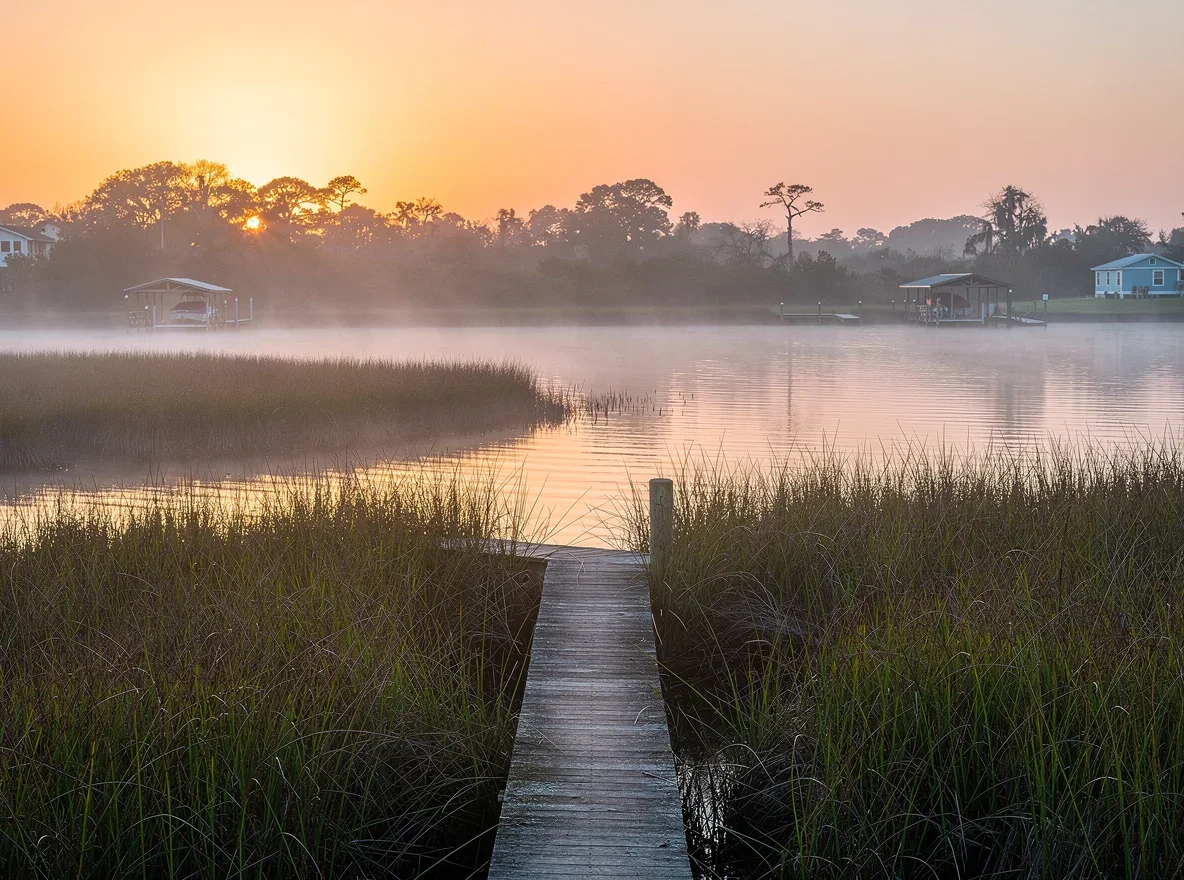
If you want to be closer to the ocean vibe but still keep a reasonable commute to business corridors, Intracoastal-area neighborhoods (and nearby pockets east of Southside) can offer a compelling middle ground. You're positioned for beach weekends, nature trails, and water views, yet you may avoid some of the most congested beach routes depending on where you land relative to JTB and other connectors.
Homes here can vary widely—townhomes, newer builds, and communities with amenities are common. Because coastal proximity can affect insurance and maintenance (salt air is real), it's worth budgeting for upkeep and talking through what "cost of ownership" looks like beyond the mortgage payment.
How to choose the right neighborhood for your commute (and your budget)
Start with your real schedule. A 20-minute commute at noon can turn into 45 minutes at 8:00 a.m. If possible, drive the route during your normal work hours, and test a backup route too. Jacksonville's size means "close" isn't just distance—it's the bridges you cross, the interchanges you rely on, and whether you can avoid bottlenecks.
Then match the home type to your first-time-buyer comfort zone. Condos and townhomes can reduce maintenance and may include amenities, while single-family homes offer yards and flexibility. Think about what you're willing to fix, what you want move-in ready, and how long you expect to stay. A home that fits your life for 3–5 years can still be a great first step if the location supports resale demand.
If relocation is part of your story—especially military PCS moves—timing and clarity matter even more. At Acreage Realty, Kimberly Pierce is known for a client-first communication style and local Jacksonville market focus, and she also provides military relocation support (MRP designation) to help simplify the decision-making that comes with a fast-moving timeline.
Ultimately, the "best" neighborhood is the one that makes your weekdays easier and your weekends happier. Choose a place where the commute feels sustainable, the amenities support your routines, and the community vibe matches who you are right now—while still giving you room to grow into what's next.